
Demystifying Pregnancy Constipation: Causes, Symptoms, and Safe Relief
Expecting a baby is a beautiful and transformative journey, but it often brings a few unexpected physical hurdles. Among the most common yet rarely discussed issues is pregnancy constipation, a condition that leaves many mums-to-be feeling bloated, strained, and deeply uncomfortable.
At drchansh.my, we understand that discussing bowel habits can feel awkward. However, addressing this early is vital to prevent more painful complications, such as haemorrhoids (piles) or anal fissures. Let us explore why this happens and how you can find safe, gentle relief.
At drchansh.my, we understand that discussing bowel habits can feel awkward. However, addressing this early is vital to prevent more painful complications, such as haemorrhoids (piles) or anal fissures. Let us explore why this happens and how you can find safe, gentle relief.
How Common is Constipation During Pregnancy?
If you are struggling to pass motion, you are certainly not alone. Epidemiological studies show that pregnancy constipation affects approximately 35% to 40% of expectant mothers.
It most frequently strikes during the first and second trimesters when hormonal shifts are most dramatic. However, for some women, the discomfort can persist all the way until they welcome their little one into the world.
It most frequently strikes during the first and second trimesters when hormonal shifts are most dramatic. However, for some women, the discomfort can persist all the way until they welcome their little one into the world.

Why Does Pregnancy Cause Constipation? (Pathophysiology)
Your body undergoes incredible changes to support your growing baby, but some of these physiological adaptations directly slow down your digestive tract.
1. The Progesterone Effect
During pregnancy, your body produces high levels of the hormone progesterone. While progesterone is essential for relaxing the muscles of the uterus, it also relaxes the smooth muscles of your digestive system, leading to intestinal hypomotility (sluggish bowel transit).
2. Increased Water Absorption
Because food moves more slowly through your intestines, your colon has more time to absorb water from the digested waste. This results in stools becoming dry, hard, and much more difficult to pass.
3. Mechanical Compression
As your baby grows, your uterus expands and begins to physically press against your rectosigmoid colon. This mechanical obstruction makes it physically harder for waste to navigate through the pelvis.
4. Iron Supplementation
Many prenatal vitamins contain high doses of iron, which is crucial for preventing maternal anaemia but is notoriously known to cause or worsen dry, dark, and hard stools.
Recognizing the Symptoms
While infrequent bowel movements are the hallmark of this condition, pregnancy constipation often presents with a cluster of symptoms, including:
- Having fewer than three bowel movements per week.
- Passing hard, dry, or lumpy stools that require painful straining.
- An uncomfortable sensation of incomplete evacuation (feeling like you cannot empty your bowels).
- Abdominal bloating, mild cramping, or wind.
Safe, Over-the-Counter (OTC) and Lifestyle Solutions
When managing constipation during pregnancy, the safety of your baby is the topmost priority. Always consult your obstetrician or a proctology specialist before starting any new medication, but the following conservative and over-the-counter options are generally considered safe and effective:
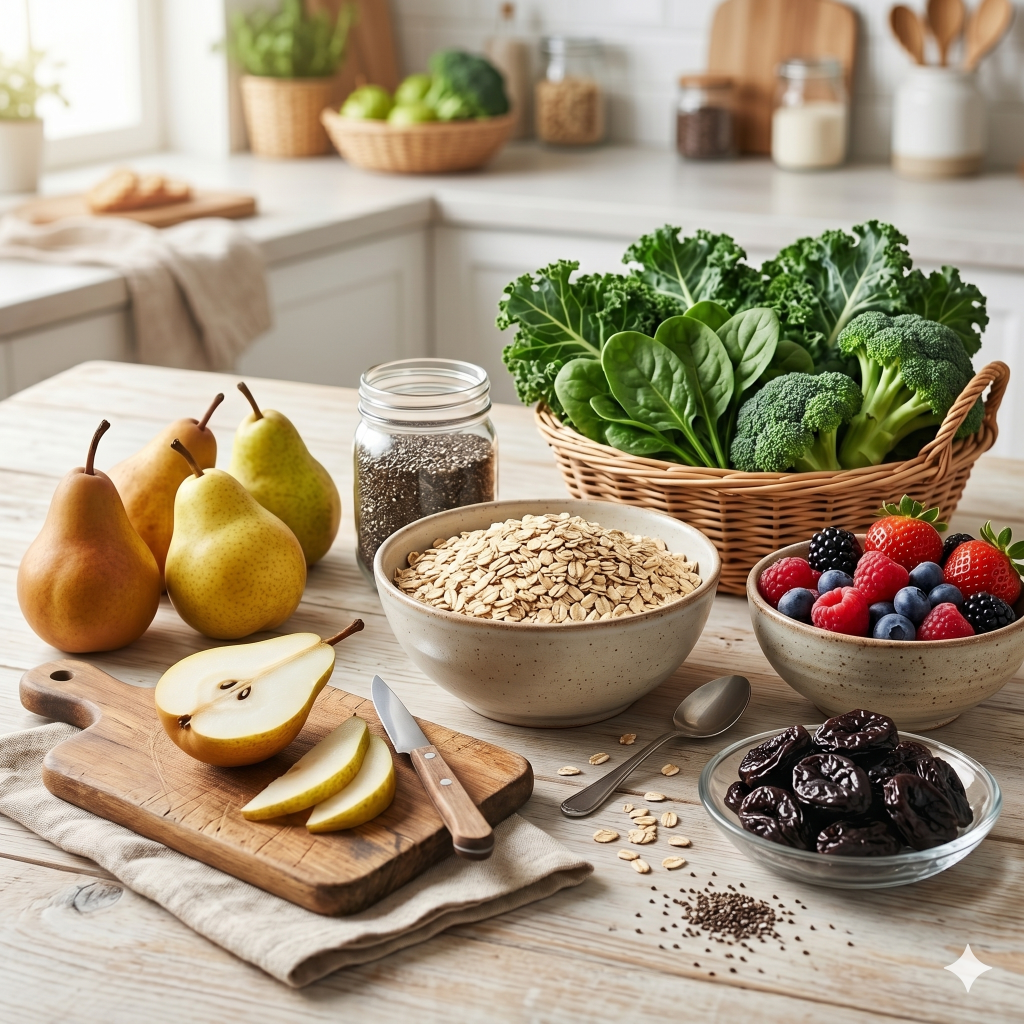
1. Optimize Your Dietary Fibre
Increasing your daily fibre intake is the absolute first step in treating sluggish bowels. Aim for at least 25 to 30 grams of dietary fibre daily from natural, wholesome foods.
- Bulk-Forming Laxatives (Fibre Supplements): Natural supplements like psyllium husk (Ispaghula) are highly recommended. They absorb water in your intestines, making stools bulkier, softer, and much easier to pass.
- Hydration is Key: Fibre supplements must be taken with plenty of water. Aim to drink at least 8 to 10 glasses of fluid daily to keep your digestive tract lubricated.
2. Osmotic Laxatives (With Medical Guidance)
If dietary changes are not enough, certain gentle over-the-counter laxatives can help. Osmotic laxatives, such as lactulose or macrogol (polyethylene glycol), work by drawing water directly into your bowel to soften hard stools. Because these compounds are barely absorbed into your bloodstream, they are widely considered safe for short-term use during pregnancy.
3. Stool Softeners
Over-the-counter stool softeners containing psyllium husk can help moisten the stool and prevent painful straining. However, they should only be used under the supervision of a healthcare professional.
4. Gentle Physical Activity
A daily 20-minute walk can work wonders. Mild physical exercise stimulates the natural contractions of your intestinal muscles, keeping your digestive system moving efficiently.
Crucial Warning: Avoid using strong stimulant laxatives (such as senna or bisacodyl) or home remedies like castor oil unless explicitly prescribed by your doctor. These can trigger pelvic cramping or uterine contractions, posing risks to your pregnancy.
When to Seek Professional Care
While occasional constipation is normal, persistent straining can lead to painful complications like anal fissures (tears in the anal lining) or severe, thrombosed haemorrhoids. If your symptoms do not improve with dietary modifications, or if you experience severe pain or rectal bleeding, it is time to consult an expert.
Don’t let discomfort hold you back. Schedule a consultation at drchansh.my today.